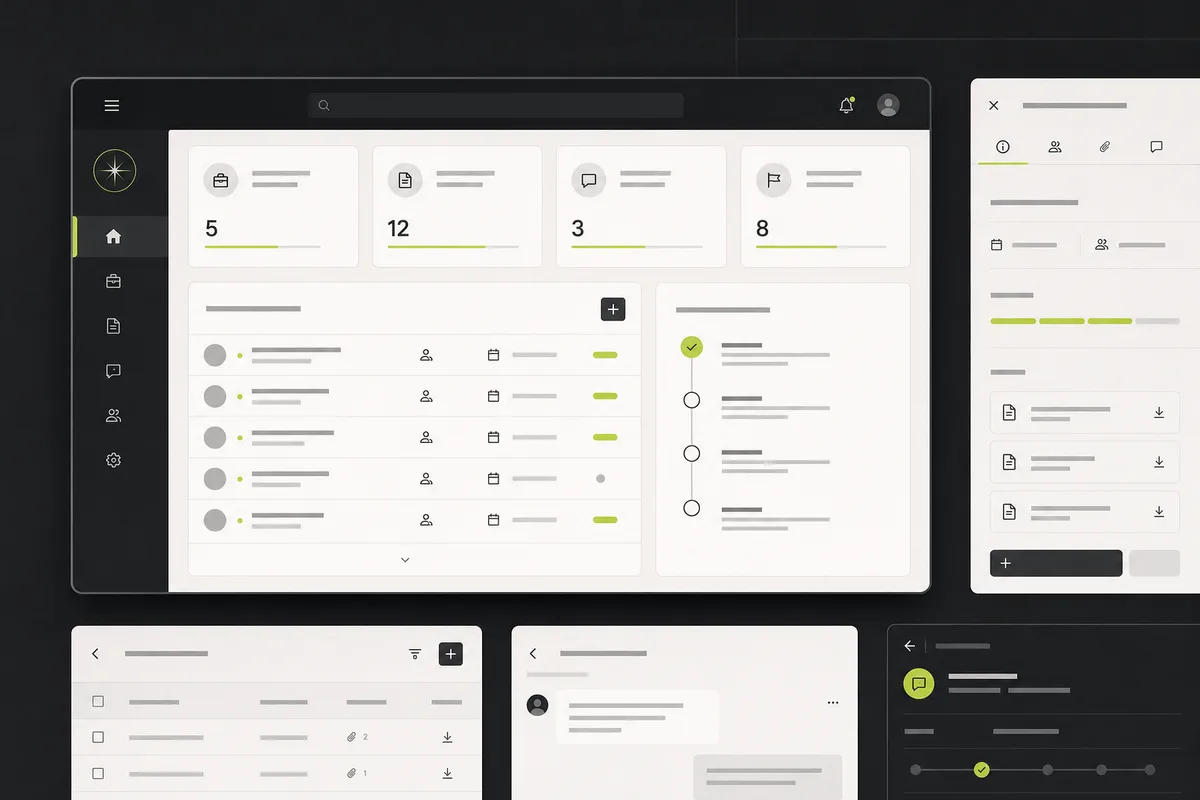


UX research
Interviews, journey analysis and evidence synthesis that clarify user needs and product risk.
↗
We turn research, product goals and technical realities into interfaces that are simple to understand, efficient to use and ready to build.
Codevators / UI/UX Design
 OUTCOME SIGNAL / 03
Interviews, journey analysis and evidence synthesis that clarify user needs and product risk.
↗Information architecture, user flows and wireframes that make complex tasks feel manageable.
↗Testable experiences for validation, stakeholder alignment and engineering handoff.
↗Reusable components, rules and documentation that improve consistency and delivery speed.
↗Four representative delivery patterns showing how ui/ux design can turn a clear business priority into a stronger digital system.
Scroll to move sideways →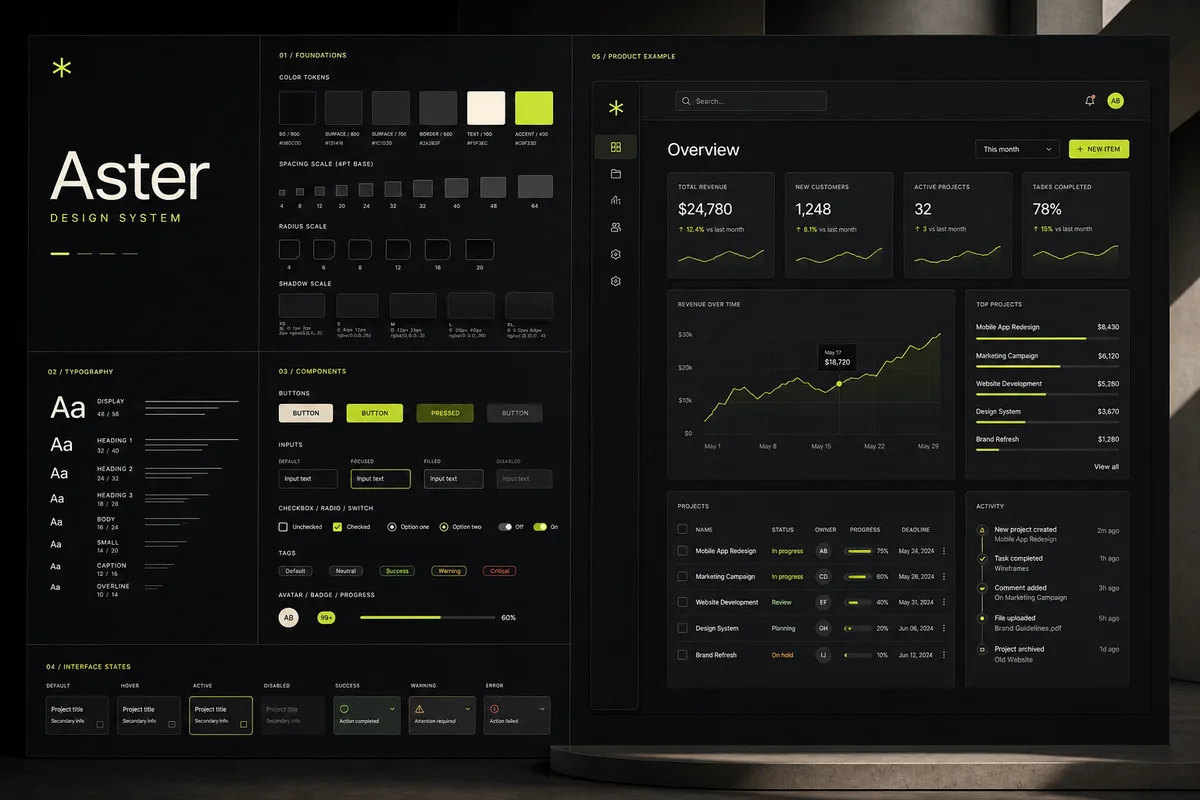 01
01A token-led interface foundation shared across product, design and engineering teams.
38% faster feature deliveryDiscuss a similar project ↗02A research-led redesign that clarified dense workflows without removing expert control.
29% faster task completionDiscuss a similar project ↗ 03
03A journey and prototype program aligning customer needs with operational delivery.
18 critical gaps resolvedDiscuss a similar project ↗ 04
04A responsive component and content framework built for consistent, inclusive product delivery.
A shared language for product teamsDiscuss a similar project ↗Different challenges. The same standard of clarity, senior attention and measurable progress.
The research gave the team a shared language for decisions. We stopped debating preferences and started resolving the friction users were actually experiencing.
Keep scrolling. Each phase activates the next part of the ui/ux design delivery system.
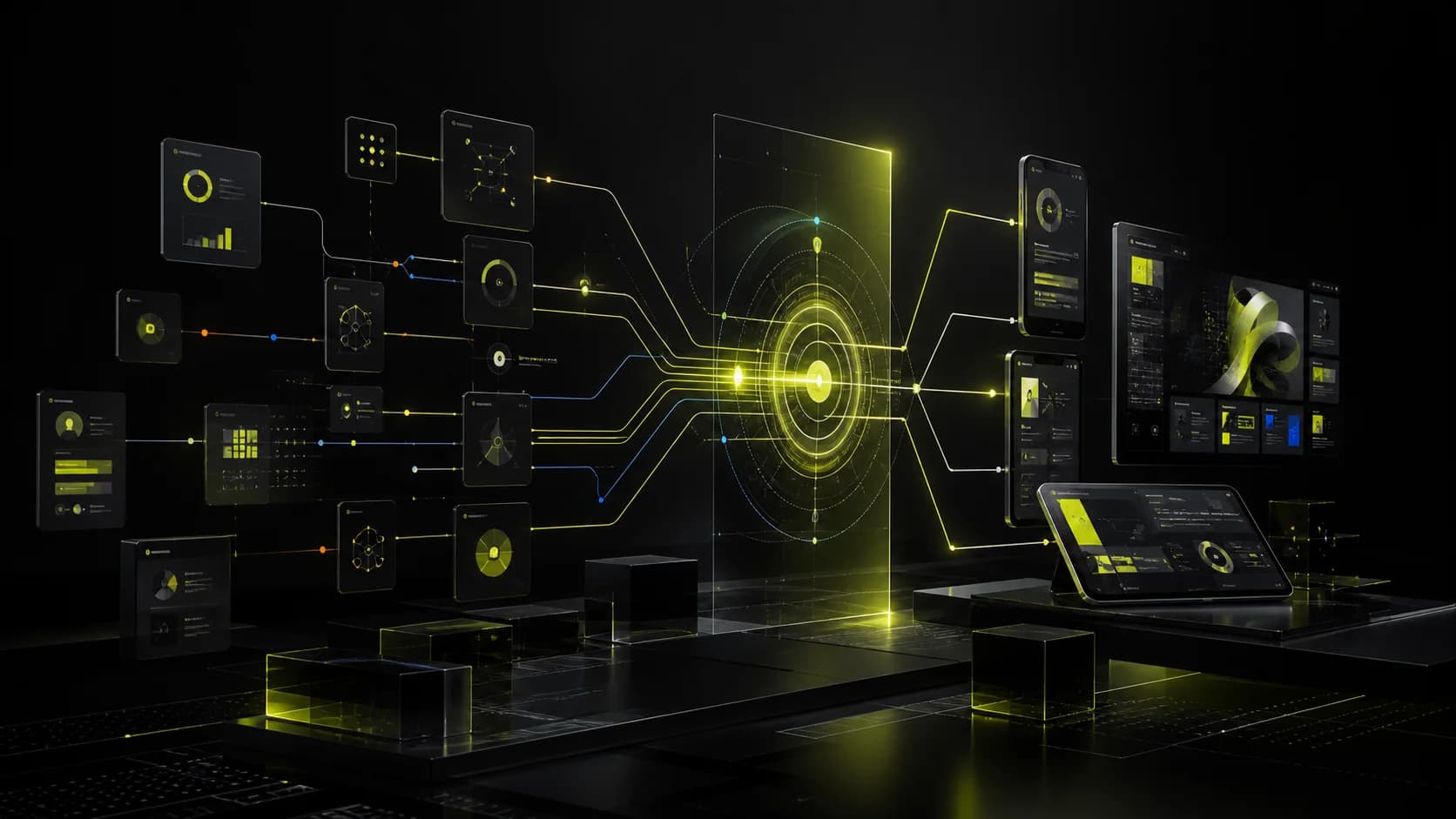 UI/UX Design / Delivery path
Understand the audience, business context and current friction.
Define journeys, content hierarchy and interaction logic.
Develop and compare purposeful interface directions.
Prototype and test the decisions carrying the most risk.
Document components and collaborate closely through build.
Yes. Early design is useful for turning assumptions into testable product decisions. Discovery establishes enough clarity to move forward responsibly.
Projects include the level of reusable component guidance they need. Larger products can include a documented, token-based design system.
Yes. Design and engineering work together through implementation, quality review and launch.
We connect ui/ux design strategy, delivery and measurement so the experience can respond to real user behavior, commercial priorities and the next stage of growth.
Connected view000%Digital systems entering motion